Detached Garage Builder in Clyde Park, MT
A small incorporated town in the Shields River valley between the Bridgers and the Crazies, in the same gap-wind regime that makes Livingston famous. Wind matters here more than snow does.
No obligation. Every estimate starts with a walkthrough of the lot, the access and where the building can actually sit.
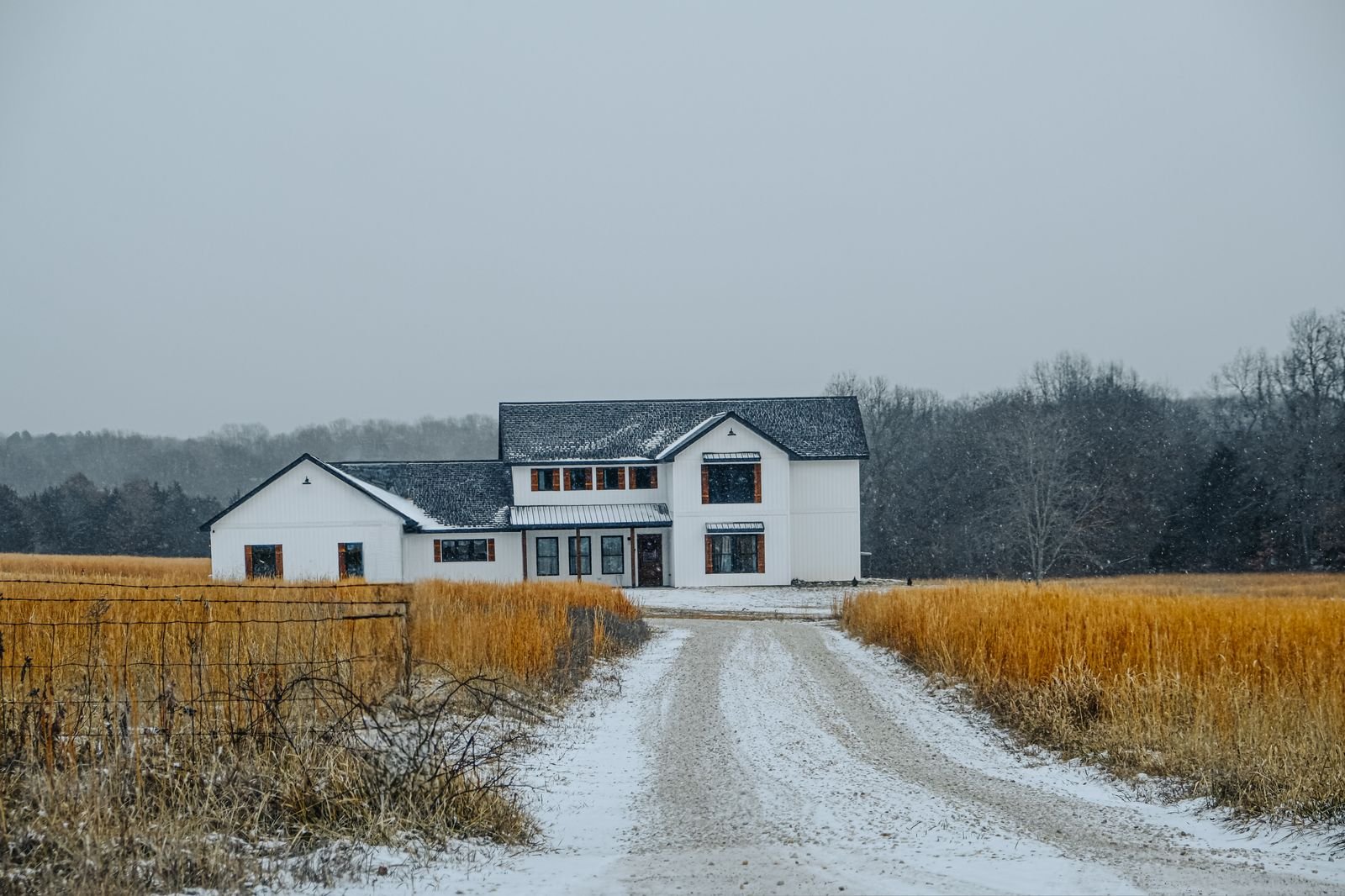 Clyde Park, Montana
Building here
What Clyde Park is actually like to build in
Frost depth follows the City of Bozeman published requirement, which we treat as the regional standard because the ground freezes the same depth on either side of a jurisdiction line.
Clyde Park is an incorporated town of 332 people at 4,853 feet in the Shields River valley, between the Bridger Range to the west and the Crazy Mountains to the east, on US 89 north of Livingston. It incorporated in 1912. The 2024 American Community Survey estimates around 175 housing units, so this is a genuinely small place and the page reflects that.
The most useful thing to know about building here is that the Shields Valley shares the Livingston-area wind regime. Cold, stable air draining out of the valleys accelerates where the terrain support ends, and the National Weather Service has documented sustained winds over 50 mph and gusts as high as 75 mph in this general regime during a single event, with sustained winds exceeding 55 mph possible.
For a detached garage that puts uplift, anchorage and the overhead door specification ahead of snow load in the design priorities, the same way it does in Livingston. A door that is adequate in the Gallatin Valley is the weak point in the Shields.
Snow is still a factor and it is elevation-driven. There is no station at Clyde Park. Livingston Mission Field at 4,653 feet reads 33.9 psf, and Wilsall 8 ENE at 5,835 feet reads 51.7 psf. Clyde Park at 4,853 feet sits between them, closer to the Livingston end.
The town was founded in the 1870s as Sunnyside by Texas cattlemen drawn to the grazing, got a Northern Pacific branch line in 1909, and burned largely in 1919. The surrounding land is ranch country, so a lot of the building here is shops and equipment storage rather than suburban garages.
Local conditions
What shapes a garage project in Clyde Park
The Shields Valley gap regime
Documented gusts to 75 mph and sustained winds over 50 mph in this regime. Uplift resistance, hold-downs and a wind-rated overhead door matter more here than an extra inch of insulation.
Not a certified jurisdiction
Clyde Park is not on the state list of certified local code programs, and Park County has no county-wide building code. Septic goes through the Park County Health Department.
Ranch country
Most buildings here are shops and equipment storage on ranch property rather than town-lot garages. Post-frame is frequently the right answer.
What we build
Buildings we put up in and around Clyde Park
Each of these raises a different structural and permit question. The pages below cover what is involved rather than repeating the same paragraph with the building name swapped.
Detached Garages
Two, three and four-car detached garages built on their own footings, sized to the lot and the setbacks rather than to a catalogue.
What is involved →Shops & Workshops
Heated, insulated working buildings with the ceiling height, power and floor drainage that real work needs.
What is involved →RV Garages
Tall-door buildings sized around the vehicle you actually own, with the door height and approach worked out before framing.
What is involved →Garage With Loft
Storage or bonus space over the bays. A different roof, a different stair and a different structure from a single-storey build.
What is involved →Garage Apartment (ADU)
A dwelling above the garage. Different permit path, different code, and the one build here where the rules changed recently.
What is involved →Pole Barn Garages
Post-frame buildings for larger clear spans on acreage, where a stick-framed garage costs more than it needs to.
What is involved →Garage Slabs & Concrete
Footings, frost walls, slabs and aprons. The part of the build that is impossible to fix later.
What is involved →Garage Demolition & Rebuild
Taking down a failing garage and rebuilding on the same footprint, including what to do about the old slab.
What is involved →Before design
The Clyde Park checklist
Five things we establish on a Clyde Park property before drawing anything. Most of them cost nothing to check and a great deal to get wrong.
- Wind exposure at the site, which governs uplift, anchorage and the overhead door specification.
- Whether the parcel is inside town limits or in unincorporated Park County, most of which is unzoned.
- Septic permitting through the Park County Health Department.
- Site snow load by coordinates, between the Livingston and Wilsall station values.
- Access for concrete delivery on ranch property, which is often a longer and softer route than a town lot.
Nothing on this page is a code determination. Codes, fee schedules and zoning change, and Bozeman replaced its entire development code effective 1 February 2026 as a reminder of how fast that happens. We verify every figure against the current regulation for your specific parcel before design, and you should confirm anything you intend to rely on with the authority that administers it.
Questions
Building a garage in Clyde Park
Is the wind here as bad as Livingston?
The same gap-flow mechanism operates in the Shields Valley. The National Weather Service has documented gusts as high as 75 mph and sustained winds over 50 mph in this regime, with sustained winds capable of exceeding 55 mph.
We do not have a published design wind speed specific to Clyde Park, so we take the value from the ASCE hazard data for the coordinates rather than quoting a number. The design response is the same as Livingston: uplift, anchorage and a wind-rated door.
Do I need a building permit in Clyde Park?
Clyde Park does not appear on the state list of local governments with certified building code programs, and Park County does not run a county-wide building code either. That puts the state Building Codes Bureau in the picture, and state law exempts a private garage built for the owner's own use.
Septic permits go through the Park County Health Department. Check with the town clerk on any local requirements before you build, since town-level rules are not always reflected in state lists.
What snow load should be used here?
There is no station at Clyde Park. Livingston Mission Field at 4,653 feet reads 33.9 psf, and Wilsall 8 ENE at 5,835 feet reads 51.7 psf. Clyde Park at 4,853 feet sits between them, nearer the Livingston figure.
We pull a site value from the coordinates. Note that the Wilsall station is 8 miles east-northeast of that town and about 750 feet higher, so it overstates the town itself.
Is a pole barn a good option here?
Often, yes. Ranch property with wide-span requirements and a plain finish is exactly where post-frame is efficient, and Montana state law separately exempts farm and ranch buildings of any size from the state building code.
What still matters is wind. A post-frame building in the Shields Valley needs the bracing and connections designed for the exposure, not scaled down from a sheltered site.
Do you work this far from Bozeman?
Yes. Clyde Park is one of 20 communities we cover, along with Wilsall and Livingston in the same valley.
Distance affects scheduling more than price. Where it affects price we say so at the walkthrough.
Nearby
Other areas we cover
Next step
Get a range for your Clyde Park property
Send the address and a rough idea of the building. We come back with what the ground and the jurisdiction allow, and what it is likely to cost.